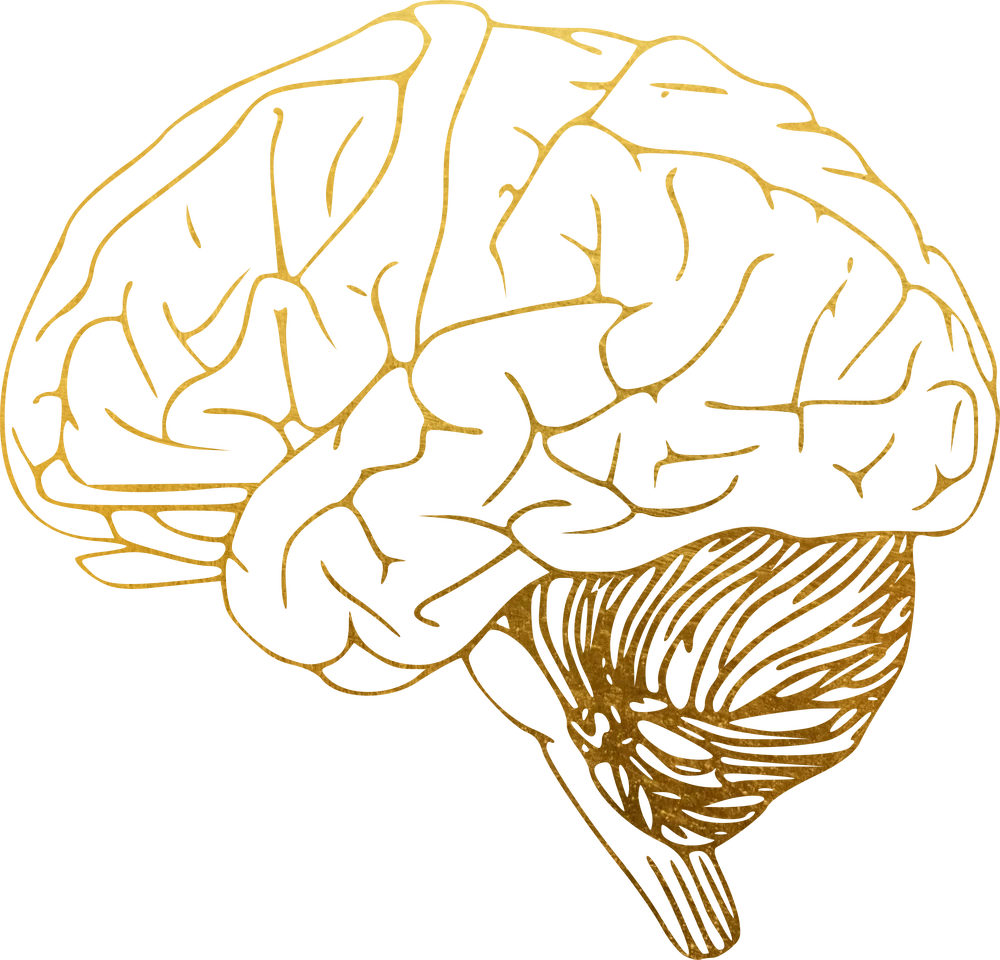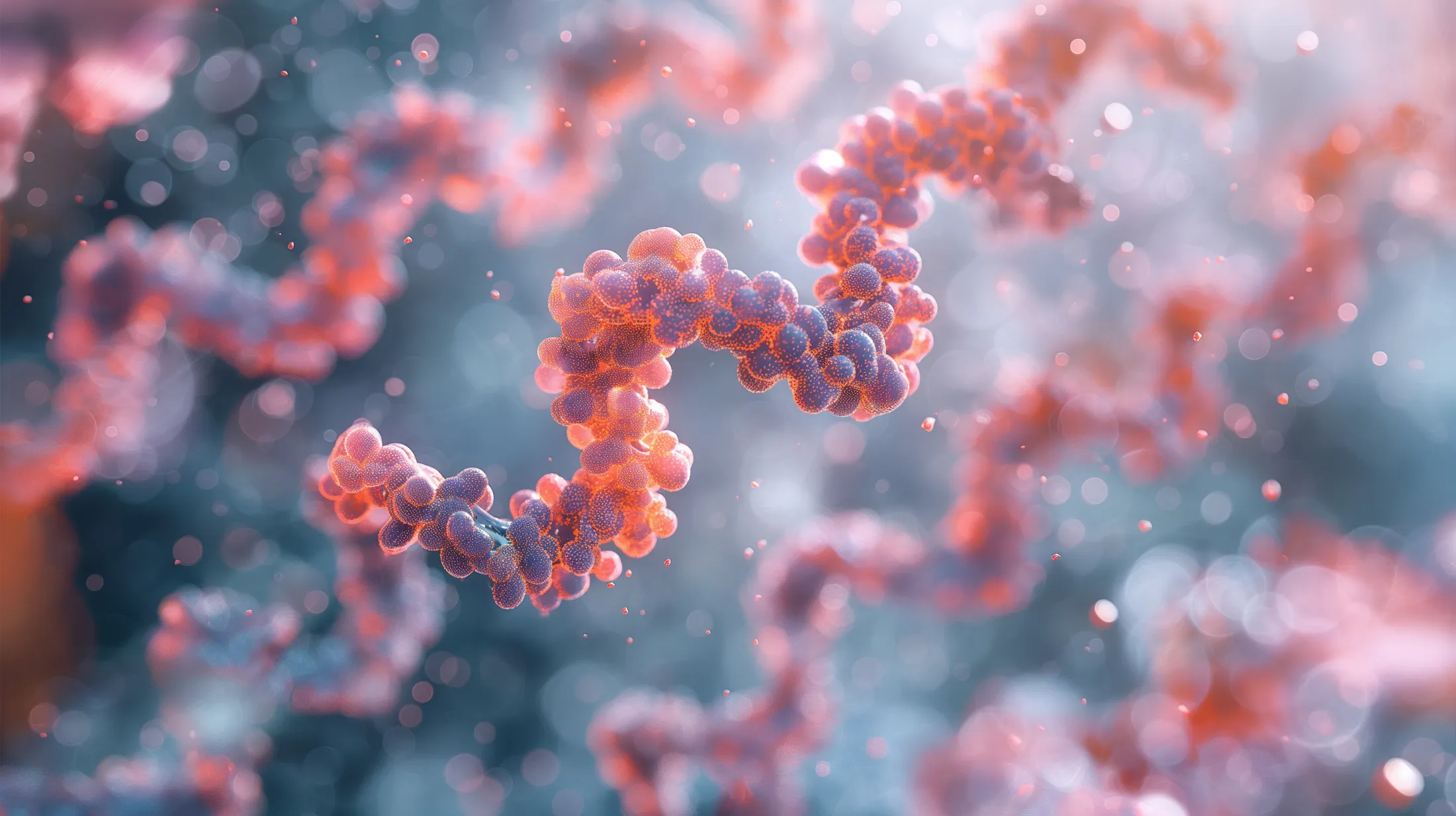
Nano-sized vesicles derived from MSCs that facilitate cellular communication, support tissue regeneration, and modulate the immune system — including the ability to cross the blood-brain barrier.
Exosomes are nano-sized extracellular vesicles — typically 30 to 150 nanometres in diameter — that cells use as tiny couriers to send signals to one another. When derived from MSCs, exosomes carry a powerful cargo of proteins, lipids, and RNA that instruct recipient cells to regenerate, reduce inflammation, and restore normal function.
Because exosomes are small and acellular, they can cross the blood-brain barrier, sidestep many of the immune-rejection concerns of whole-cell therapies, and be produced and stored at scale.
Exosomes were once dismissed as cellular "waste." Research over the past decade has shown they are instead a primary mechanism cells use for long-range communication — with profound therapeutic implications.
When derived from MSCs under GMP conditions, exosome preparations carry a biologically active cargo and work through several routes:
At Innovita Clinic, exosome preparations are derived from high-quality MSC cultures using the advanced manufacturing protocols developed by Reverse Body Time.
Exosome vesicles
High-resolution imagery coming soon
What exosome therapy does at the cellular level.
Small enough to reach neurological targets that conventional therapies struggle to access.
Targets inflammation in the brain and nervous system at the cellular signalling level.
Signals cellular repair across the body — nerve, muscle, skin, and connective tissue.
Instructs immune cells to calm overactive autoimmune activity without broad suppression.
Acellular by nature — no living cells means reduced risk of rejection compared to whole-cell therapies.
Enhances and extends the effects of MSC protocols when used in combination.
Explored across a broad spectrum of neurological, autoimmune, and tissue-repair conditions.
Exosomes' ability to cross the blood-brain barrier makes them one of the most promising areas of research for neurological conditions where conventional therapies have limited reach. Areas of ongoing study include:
The signalling cargo carried by exosomes can help calm overactive immune responses without broadly suppressing the system. This makes them a compelling area of research for:
Beyond disease categories, exosomes are being studied for their ability to accelerate healing, support skin and connective-tissue regeneration, and promote cellular repair broadly. Applications include:
Research imagery
Lab / clinical photo coming soon
Exosome research has accelerated dramatically over the past decade, with studies demonstrating their potential in neurodegenerative diseases, autoimmune conditions, cardiac repair, and wound healing. The exosomes used in our protocols are manufactured by Reverse Body Time under strict GMP conditions — a coalition spanning research, cellular manufacturing, and licensed clinical administration in Vilnius.
Explore the ResearchFour coordinated steps from first contact through treatment and follow-up.
Comprehensive Zoom review with the scientific and medical team to evaluate your case.
Personalised exosome dosage and delivery method developed under scientific direction.
IV or targeted administration at Innovita Clinic in Vilnius, Lithuania by expert clinicians.
Ongoing monitoring, protocol adjustments, and continued coordination with your medical team.
Client stories and testimonials — coming soon.
We are gathering stories from clients who have completed exosome therapy. Check back soon — or reach out directly to speak with the team about client experiences.
Start the ConversationAdvanced cellular regeneration for complex degenerative and autoimmune conditions.
Learn MorePrecision biological signalling for anti-aging, recovery, and optimisation.
Learn MoreHigh-dose intravenous delivery for cellular nutrition and accelerated recovery.
Learn More