Understanding Next-Gen MSC Therapy
By Jed Ryan, Founder and CEO · Published · Updated

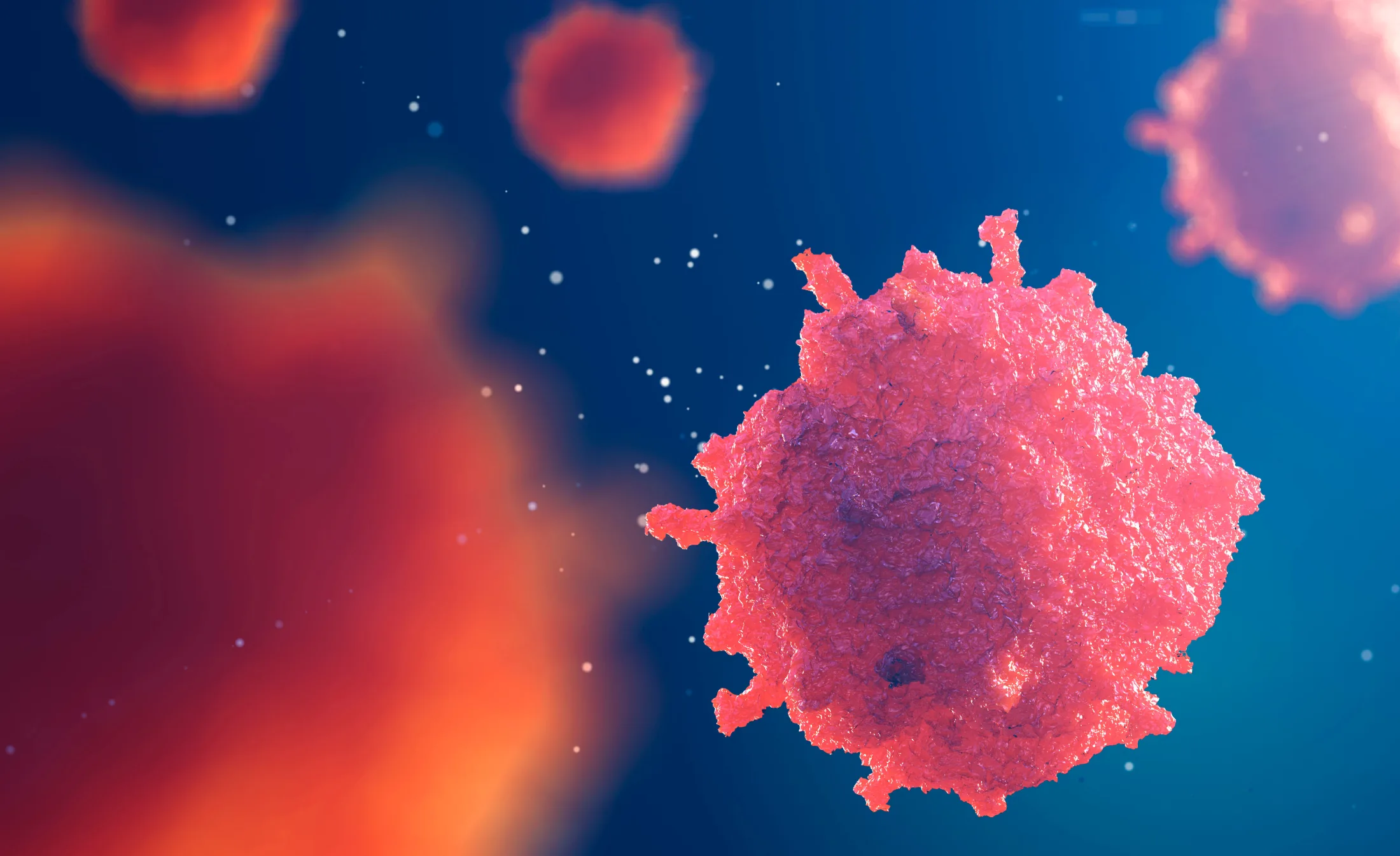
Mesenchymal stromal cells, commonly called mesenchymal stem cells or MSCs, are studied for their roles in immune activity and tissue repair. Products differ in cell source, selection, culture and testing. Those differences matter when interpreting a study or considering a proposed treatment. A general description of MSC biology does not establish a clinical benefit.
MSCs have been studied using different routes, including intravenous infusion and local injection. Each route has its own evidence and risks. The treating physician should explain why a particular route is proposed for your condition, what studies support it and what monitoring is needed. Results from one route or product should not be assumed to apply to another.
For a proposed next-generation MSC product, ask which cells are selected, how they are cultured and how the finished preparation is tested. The name alone does not establish a clinical advantage over another product.
Manufacturing is intended to preserve cell quality. Whether those cells improve a patient's health requires clinical evidence. Questions to ask about a proposed product include:
- Identity: what cell source and preparation are being used?
- Quality: how are viability, sterility and potency assessed?
- Evidence: what human studies apply to your condition?
- Follow-up: how will benefit and side effects be measured?
Go Deeper▾
Potential Benefits and Evidence
What researchers are investigating, and why a possible mechanism is not a promised result.

Inflammation
Researchers study changes in inflammatory activity. A change in a laboratory marker does not necessarily mean symptoms improve.
Immune Response
Some MSC products have been studied in immune disorders. Benefits and risks need to be assessed for the specific product and condition.
Tissue Repair
Repair signals seen in laboratory studies do not establish that a treatment regrows damaged tissue in people.
Neurological Research
Human trials have tested neurological applications, with mixed findings. MSCs are not an established treatment for every neurological condition.
Wound Healing
Wound-healing applications are being investigated. Evidence must match the wound type, cell preparation and method of treatment.
Function and Daily Life
Pain, mobility and daily function are meaningful outcomes to track. Ask how these will be measured and what change would count as a useful benefit.
Where MSCs Are Being Studied
Studied across a broad range of chronic, degenerative, and inflammatory conditions. These are areas of active research, not guaranteed outcomes.

Neurological
Researchers are testing whether MSCs can affect neurological disease activity or recovery. Findings differ across conditions and products, and some controlled trials have not shown benefit. Areas of investigation include:
Autoimmune & Inflammatory
MSC effects on immune activity are a reason for studying them in autoimmune disease. Changes in immune markers do not always translate into better health, and risks still need clinical assessment. Research areas include:
Musculoskeletal & Systemic
MSC studies cover joint symptoms, organ function and tissue repair. A result in one condition cannot establish benefit across the body or prove an anti-aging effect. Areas of investigation include:
The research behind
MSCs

Human trials do not all point in the same direction. For example, the MESEMS trial did not meet its primary MRI efficacy endpoint in multiple sclerosis. The MILES knee-osteoarthritis trial found no superiority of its tested cell preparations over corticosteroid at one year. These results apply to those products and study settings. Compare the full evidence for your own proposed treatment.
Explore the ResearchTreatment Process
Strong Craft Regen helps you arrange a clinical consultation. The treating medical team assesses suitability and decides whether any treatment is appropriate.
Discovery Call
An exploratory conversation with Jed, for us to understand what you've been dealing with and how we can best help.
Medical Consultation
A consultation with the treating medical team to review your history, discuss the evidence and consider suitable options. Dr. Darinskas provides scientific input.
Individualized Protocol
Dr. Darinskas provides scientific input. The treating medical team assesses suitability, explains the evidence and risks, and decides whether to recommend a treatment.
Your Treatment
The clinical team confirms the treatment location and availability for your case. We help with scheduling and travel information; you arrange and pay for your flights and accommodation.
What Our Clients Are Saying
Read the experiences clients have chosen to share.
Client Experiences
Our clients describe their own experiences with Strong Craft Regen. Their stories are personal accounts, not clinical studies or a promise of how a particular treatment will work for you.
Read Client Stories