Understanding Next-Gen MSC Therapy
By Jed Ryan, Founder and CEO · Reviewed by Adas Darinskas, PhD, Chief Science Officer · Published · Last reviewed

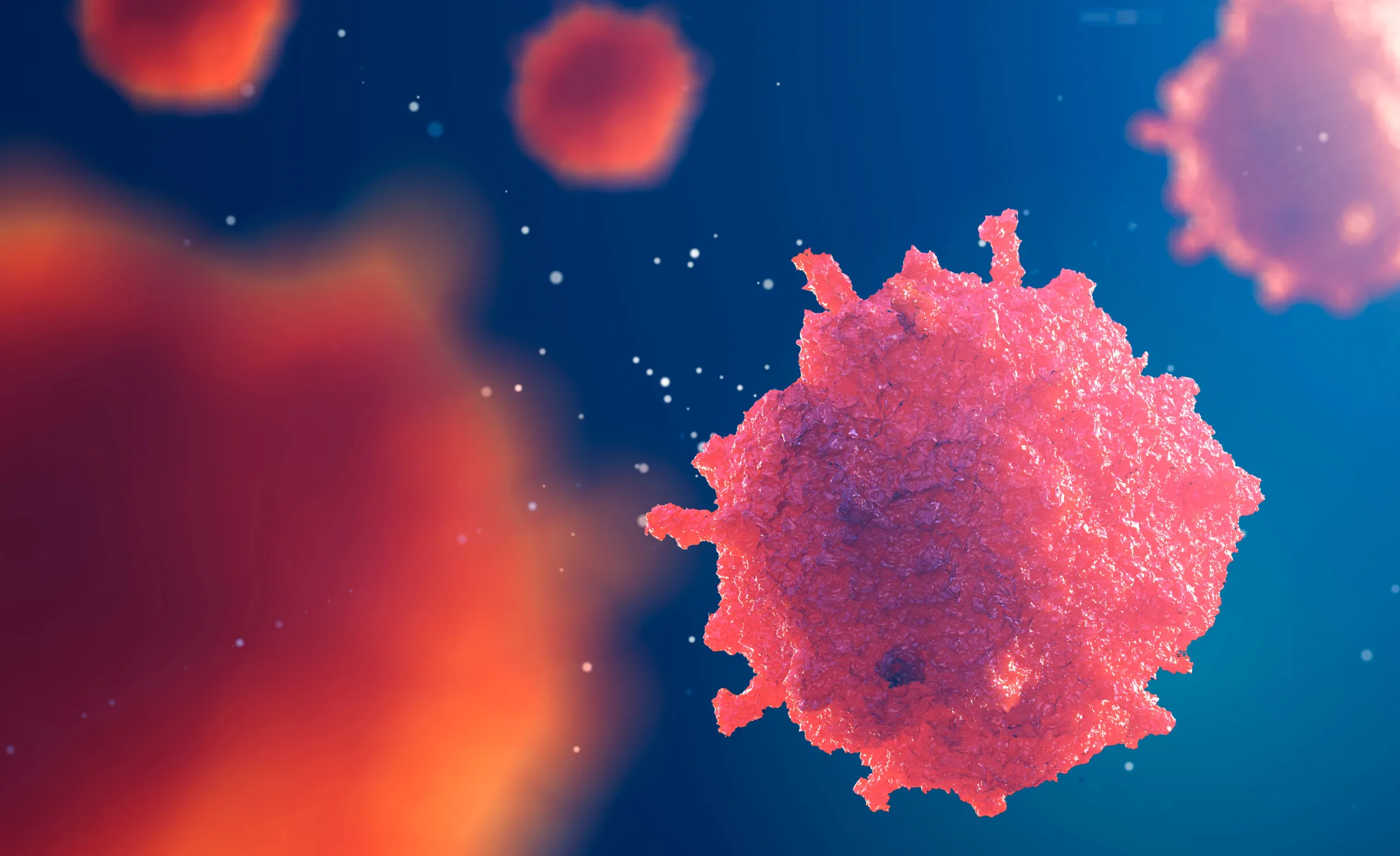
Mesenchymal stem cells, or MSCs, are the body's own repair cells, the ones that help rebuild tissue and keep the immune system in balance. What makes the next-generation version different is how they're prepared: a highly specific population of these cells, selected and grown in low-oxygen conditions so they hold their potency and stand up to stress.
Depending on your case, they're delivered intravenously, into the spine, or straight into a target area. Once they're in, they work a few ways at once: calming inflammation, settling an overactive immune system, and signaling the body to repair. They're the backbone of most protocols we coordinate.
The next-gen protocol comes out of Dr. Adas Darinskas's work, built on selection and culturing methods designed to keep the cells potent and viable all the way through manufacturing.
Grown under tightly controlled conditions, the cells hold their regenerative potential. A few of the ways they work:
- Homing: the cells travel to where there's injury or inflammation
- Signaling: they release factors that prompt nearby cells to repair
- Immune modulation: they help regulate immune activity rather than blunt it
- Blood supply: they support new blood vessels and tissue structure
Go Deeper▾
Therapeutic Benefits
What Next-Gen MSC therapy does at the cellular level.

Reduces Chronic Inflammation
Brings down inflammation at the cellular level, one of the root drivers behind many chronic conditions.
Modulates Immune Response
Calms an overactive immune system in autoimmune conditions without broadly suppressing it.
Regenerates Damaged Tissue
Signals repair across bone, cartilage, nerve, and muscle tissue.

Supports Neurological Recovery
Supports the brain and nervous system, an area where the cells' anti-inflammatory and signaling effects are actively being studied.
Accelerates Healing
Speeds up wound healing and tissue recovery through targeted repair signaling.
Improves Quality of Life
Restores function and supports long-term vitality, the goal underneath every protocol.
Where Next-Gen MSC Helps
Studied across a broad range of chronic, degenerative, and inflammatory conditions. These are areas of active research, not guaranteed outcomes.


Neurological
MSCs are studied for the nervous system because they can calm inflammation in the brain and spinal cord and may support repair and protection. Active areas of study include:
Autoimmune & Inflammatory
MSCs are known for regulating the immune system, calming an overactive response without broadly shutting it down. That makes them a real area of interest where the immune system turns on the body, including:
Musculoskeletal & Systemic
Beyond specific diseases, MSCs are studied for repairing damaged tissue, lowering inflammation across the body, and supporting its own repair processes. Areas under investigation include:
The research behind
MSCs

MSCs are among the most studied tools in regenerative medicine, with thousands of peer-reviewed studies on safety and mechanism. Explore the research and see what's behind it.
Explore the ResearchTreatment Process
Four steps from our first conversation to your treatment. We carry the complicated parts so you don't have to.
Discovery Call
An exploratory conversation with Jed, for us to understand what you've been dealing with and how we can best help.
Medical Consultation
A Zoom consultation with Dr. Adas Darinskas and the medical team to look at your case honestly and talk through whether a regenerative protocol makes sense for you.
Individualized Protocol
We build your protocol with Dr. Darinskas and his team, combining the therapies that fit your case and the goal you're after.
Your Treatment
You receive treatment at Innovita Clinic in Vilnius, or at one of our partner facilities, wherever fits your case best. We work alongside you on scheduling and point you in the right direction for travel and accommodation.
Real Outcomes
Client stories and testimonials, coming soon.
Testimonials Coming Soon
We're gathering stories from clients who've been through MSC treatment. Check back soon, or reach out to talk with the team about client experiences.
Start the Conversation